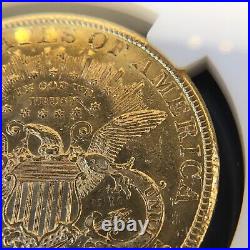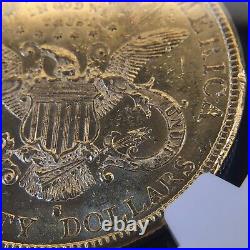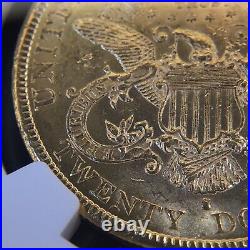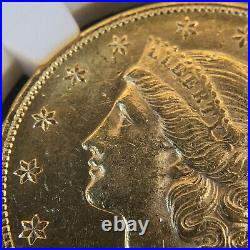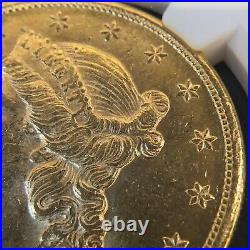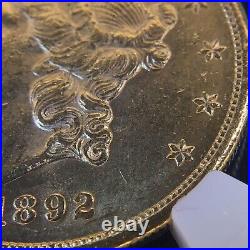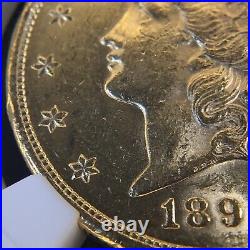
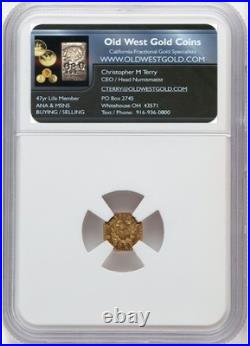


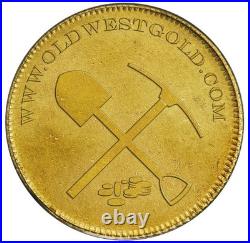


Sharp Strike 1853 Oct California Gold, Arms of Calif / NGC MS66 / OldWestGold

Sharp Strike 1853 Oct California Gold, Arms of Calif / NGC MS66 / OldWestGold
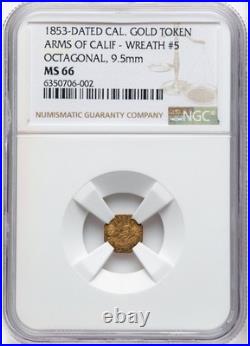
Sharp Strike – 1853 Oct California Gold, Arms of Calif / NGC MS66 / OldWestGold. 1853 Arms of California, Octagonal, Wreath, MS66 NGC. Wreath #5, 9.5mm. Nice, solid gold coin from the Historic American Old West and California Gold Rush Periods. New finds are being added weekly. We have been around for over 50 years, with thousands of satisfied customers. Other Fractionals & Tokens. Vintage Gold Mining Jewelry. Numismatic Gold & Silver Coins. Vintage Coin & Gold Scales. Coin flips are heat-sealed to prevent the switching of coins. This is industry standard practice. If this seal is broken showing the coin has been removed, your return will not be processed. Coin slab holders must not be damaged. When returning items, please package securely and insure for full value. Thanks for your understanding. We are 40 year plus distinguished Life Members of the ANA and MSNS. We are one of the most experienced rare coin dealers in this narrow field. Customers return because they understand our business model relies directly on their satisfaction. Xxx If you are a collector, investor or dealer just beginning to look at fractional or Territorial gold, you have come to the right place. As with most types of investments, knowledge and experience are keys to your success. We offer our knowledge base built over the past 50 years so you don’t have to go it alone. Open your world to the exciting field of collecting and investing in the American Old West. Welcome to one of Numismatic’s last frontiers! We are a 40+ year Life member of the ANA and MSNS in addition to many other organizations. We are an authorized PCGS and NGC dealer in good standing. We mainly sell hard-to-find and unique rare items. Most items are professionally certified so there will be NO question as to what they are. If we make a mistake on your order we will make every attempt to make it right. Photos are magnified to show greater detail & not actual size of the coin or item. Cal Gold are very small & that’s why they are so rare. When returning items, please package securely AND insure for full value. We are 35 year plus distinguished Life Members of the ANA and MSNS. We are one of the most experienced rare coin dealers in the world in this narrow field. If you are a collector, investor or dealer just beginning to look at fractional or Territorial gold, you have come to the right place. We offer our knowledge base built over the past 45+ years so you don’t have to go it alone. Open your world to the exciting field of collecting and investing in the Old West. We are a 50+-year Life member of the ANA and MSNS in addition to many other organizations. We are an authorized PCGS and NGC dealer in great standing. Powered by SixBit’s eCommerce Solution.
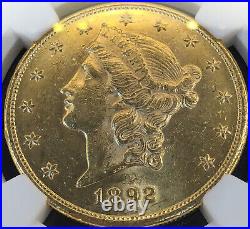
Sharp Strike 1853 Oct California Gold, Arms of Calif / NGC MS66 / OldWestGold
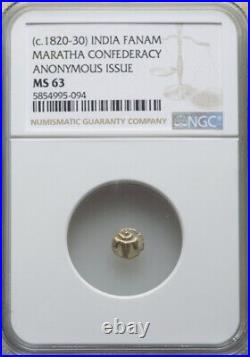
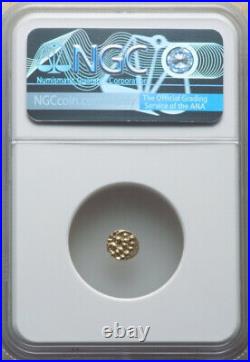
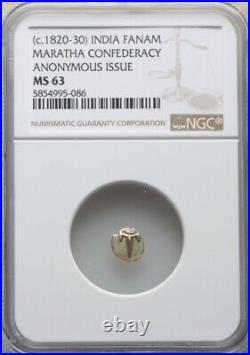
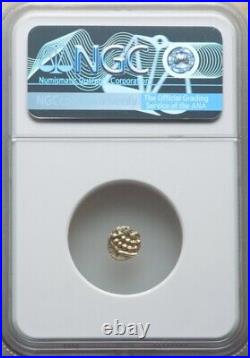
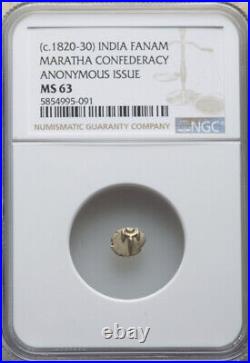
NGC MS63 1820-1830 INDIA GOLD Fanam Coin, Maratha Confederacy, SHARP HIGH GRADE

NGC MS63 1820-1830 INDIA GOLD Fanam Coin, Maratha Confederacy, SHARP HIGH GRADE
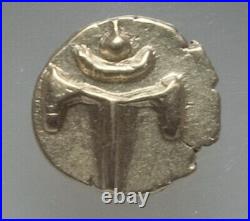
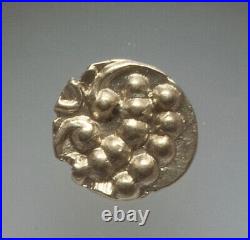
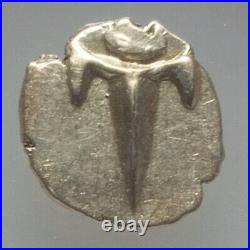
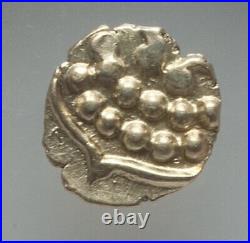
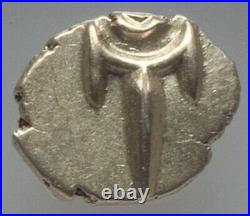
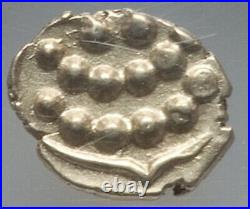
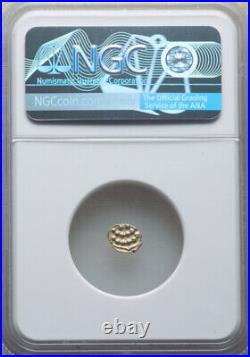
Obverse with dagger and crescent moon. Reverse in the style of Vira Raya fanams. A great historical Gold coin. Very rare, especially in this grade. You won’t be disappointed!! The Maratha Empire, also referred to as the Maratha Confederacy, was an early modern Indian confederation that came to dominate much of the Indian subcontinent in the 18th century. Maratha rule formally began in 1674[note 1] with the coronation of Shivaji of the Bhonsle Dynasty as the Chhatrapati (Marathi: “The title “Chhatrapati” was created by Shivaji upon his coronation”). Although Shivaji came from the Maratha caste, the Maratha empire also included warriors, administrators and other notables from Maratha and several other castes from Maharashtra. They are largely credited for ending the Mughal control over the Indian subcontinent and establishing the Maratha Empire. [6][7][8] The religious attitude of Mughal Emperor Aurangzeb estranged non-Muslims, and his inability to finish the resulting Maratha uprising after a 27-year war at a great cost to his men and treasure, eventually ensued Maratha ascendency and control over sizeable portions of former Mughal lands in the north or about 1/3 of the subcontinent by 1757. [9][10] Maratha rule officially ended in 1818 with the defeat of Peshwa Bajirao II at the hands of the English East India Company in Third Anglo-Maratha War. The Marathas were a Marathi-speaking warrior group from the western Deccan Plateau (present-day Maharashtra) who rose to prominence by establishing Hindavi Swarajya (meaning “self-rule of Hindus”). [11][12] The Marathas became prominent in the 17th century under the leadership of Shivaji, who revolted against the Adil Shahi dynasty, and the Mughals to carve out a kingdom with Raigad as his capital. His father, Shahaji, had earlier conquered Thanjavur which Shivaji’s half-brother, Venkoji Rao (alias Ekoji) inherited. This kingdom was known as the Thanjavur Maratha kingdom. Bangalore which was established in 1537 by a vassal of the Vijayanagara Empire, Kempe Gowda I who declared independence, was captured in 1638 by a large Adil Shahi Bijapur army led by Ranadulla Khan who, accompanied by his second in command Shahaji, defeated Kempe Gowda III. As a result, Bangalore was given to Shahaji as a jagir (feudal estate). Known for their mobility, the Marathas were able to consolidate their territory during the Mughal-Maratha Wars and later controlled a large part of the Indian subcontinent. Upon his release from Mughal captivity, Shahu became the Maratha ruler after a brief struggle with his aunt Tarabai, with the help of Balaji Vishwanath. Pleased by his help, Shahu appointed Balaji and later, his descendants, as the Peshwas or prime ministers of the empire. [13] Balaji and his descendants played a key role in the expansion of Maratha rule. The empire at its peak stretched from Tamil Nadu[14] in the south, to Peshawar (modern-day Khyber Pakhtunkhwa, Pakistan[15]) in the north, and Orissa & West Bengal up to the Hooghly River, [16] in the east. The Marathas discussed abolishing the Mughal throne and placing Vishwas Rao on it in Delhi. In 1761, the Maratha Army lost the Third Battle of Panipat, which halted their imperial expansion into Afghanistan. Ten years after Panipat, the young Peshwa Madhav Rao I’s Maratha Resurrection reinstated Maratha authority over North India. To effectively manage the large empire, Madhav Rao gave semi-autonomy to the strongest of the knights, creating a confederacy of Maratha states. These leaders became known as the Gaekwads of Baroda, the Holkars of Indore and Malwa, the Scindias of Gwalior and Ujjain, the Bhonsales of Nagpur, the Jadhavs of Vidarbha, the Dabhades of Gujarat, the Puars of Dhar and Dewas. In 1775, the East India Company intervened in a Peshwa family succession struggle in Pune, which led to the First Anglo-Maratha War in which the Marathas emerged victorious. The Maratha Empire came to an end in 1818, with its last Peshwa being Baji Rao II. A large portion of the Maratha empire was coastline, which had been secured by the potent Maratha Navy under commanders such as Kanhoji Angre. [18] Securing the coastal areas and building land-based fortifications were crucial aspects of the Maratha’s defensive strategy and regional military history. This item is in the category “Coins & Paper Money\Coins: World\Asia\India\Independent Kingdoms”. The seller is “historical-treasures-rare-coins” and is located in this country: US. This item can be shipped to United States.
  • Circulated/Uncirculated: Uncirculated
  • Denomination: Fanam
  • Historical Period: Independent Kingdoms
  • Composition: Gold
  • Year: 1820
  • Fineness: 0.585
  • Grade: MS 63
  • Country/Region of Manufacture: India
  • Certification: NGC

NGC MS63 1820-1830 INDIA GOLD Fanam Coin, Maratha Confederacy, SHARP HIGH GRADE

NGC MS63 1820-1830 INDIA GOLD Fanam Coin, Maratha Confederacy, SHARP HIGH GRADE
Obverse with dagger and crescent moon. Reverse in the style of Vira Raya fanams. A great historical Gold coin. Very rare, especially in this grade. You won’t be disappointed!! The Maratha Empire, also referred to as the Maratha Confederacy, was an early modern Indian confederation that came to dominate much of the Indian subcontinent in the 18th century. Maratha rule formally began in 1674[note 1] with the coronation of Shivaji of the Bhonsle Dynasty as the Chhatrapati (Marathi: “The title “Chhatrapati” was created by Shivaji upon his coronation”). Although Shivaji came from the Maratha caste, the Maratha empire also included warriors, administrators and other notables from Maratha and several other castes from Maharashtra. They are largely credited for ending the Mughal control over the Indian subcontinent and establishing the Maratha Empire. [6][7][8] The religious attitude of Mughal Emperor Aurangzeb estranged non-Muslims, and his inability to finish the resulting Maratha uprising after a 27-year war at a great cost to his men and treasure, eventually ensued Maratha ascendency and control over sizeable portions of former Mughal lands in the north or about 1/3 of the subcontinent by 1757. [9][10] Maratha rule officially ended in 1818 with the defeat of Peshwa Bajirao II at the hands of the English East India Company in Third Anglo-Maratha War. The Marathas were a Marathi-speaking warrior group from the western Deccan Plateau (present-day Maharashtra) who rose to prominence by establishing Hindavi Swarajya (meaning “self-rule of Hindus”). [11][12] The Marathas became prominent in the 17th century under the leadership of Shivaji, who revolted against the Adil Shahi dynasty, and the Mughals to carve out a kingdom with Raigad as his capital. His father, Shahaji, had earlier conquered Thanjavur which Shivaji’s half-brother, Venkoji Rao (alias Ekoji) inherited. This kingdom was known as the Thanjavur Maratha kingdom. Bangalore which was established in 1537 by a vassal of the Vijayanagara Empire, Kempe Gowda I who declared independence, was captured in 1638 by a large Adil Shahi Bijapur army led by Ranadulla Khan who, accompanied by his second in command Shahaji, defeated Kempe Gowda III. As a result, Bangalore was given to Shahaji as a jagir (feudal estate). Known for their mobility, the Marathas were able to consolidate their territory during the Mughal-Maratha Wars and later controlled a large part of the Indian subcontinent. Upon his release from Mughal captivity, Shahu became the Maratha ruler after a brief struggle with his aunt Tarabai, with the help of Balaji Vishwanath. Pleased by his help, Shahu appointed Balaji and later, his descendants, as the Peshwas or prime ministers of the empire. [13] Balaji and his descendants played a key role in the expansion of Maratha rule. The empire at its peak stretched from Tamil Nadu[14] in the south, to Peshawar (modern-day Khyber Pakhtunkhwa, Pakistan[15]) in the north, and Orissa & West Bengal up to the Hooghly River, [16] in the east. The Marathas discussed abolishing the Mughal throne and placing Vishwas Rao on it in Delhi. In 1761, the Maratha Army lost the Third Battle of Panipat, which halted their imperial expansion into Afghanistan. Ten years after Panipat, the young Peshwa Madhav Rao I’s Maratha Resurrection reinstated Maratha authority over North India. To effectively manage the large empire, Madhav Rao gave semi-autonomy to the strongest of the knights, creating a confederacy of Maratha states. These leaders became known as the Gaekwads of Baroda, the Holkars of Indore and Malwa, the Scindias of Gwalior and Ujjain, the Bhonsales of Nagpur, the Jadhavs of Vidarbha, the Dabhades of Gujarat, the Puars of Dhar and Dewas. In 1775, the East India Company intervened in a Peshwa family succession struggle in Pune, which led to the First Anglo-Maratha War in which the Marathas emerged victorious. The Maratha Empire came to an end in 1818, with its last Peshwa being Baji Rao II. A large portion of the Maratha empire was coastline, which had been secured by the potent Maratha Navy under commanders such as Kanhoji Angre. [18] Securing the coastal areas and building land-based fortifications were crucial aspects of the Maratha’s defensive strategy and regional military history. This item is in the category “Coins & Paper Money\Coins: World\Asia\India\Independent Kingdoms”. The seller is “historical-treasures-rare-coins” and is located in this country: US. This item can be shipped to United States.
  • Circulated/Uncirculated: Uncirculated
  • Denomination: Fanam
  • Historical Period: Independent Kingdoms
  • Composition: Gold
  • Year: 1820
  • Fineness: 0.585
  • Grade: MS 63
  • Country/Region of Manufacture: India
  • Certification: NGC

NGC MS63 1820-1830 INDIA GOLD Fanam Coin, Maratha Confederacy, SHARP HIGH GRADE

NGC MS63 1820-1830 INDIA GOLD Fanam Coin, Maratha Confederacy, SHARP HIGH GRADE
Obverse with dagger and crescent moon. Reverse in the style of Vira Raya fanams. A great historical Gold coin. Very rare, especially in this grade. You won’t be disappointed!! The Maratha Empire, also referred to as the Maratha Confederacy, was an early modern Indian confederation that came to dominate much of the Indian subcontinent in the 18th century. Maratha rule formally began in 1674[note 1] with the coronation of Shivaji of the Bhonsle Dynasty as the Chhatrapati (Marathi: “The title “Chhatrapati” was created by Shivaji upon his coronation”). Although Shivaji came from the Maratha caste, the Maratha empire also included warriors, administrators and other notables from Maratha and several other castes from Maharashtra. They are largely credited for ending the Mughal control over the Indian subcontinent and establishing the Maratha Empire. [6][7][8] The religious attitude of Mughal Emperor Aurangzeb estranged non-Muslims, and his inability to finish the resulting Maratha uprising after a 27-year war at a great cost to his men and treasure, eventually ensued Maratha ascendency and control over sizeable portions of former Mughal lands in the north or about 1/3 of the subcontinent by 1757. [9][10] Maratha rule officially ended in 1818 with the defeat of Peshwa Bajirao II at the hands of the English East India Company in Third Anglo-Maratha War. The Marathas were a Marathi-speaking warrior group from the western Deccan Plateau (present-day Maharashtra) who rose to prominence by establishing Hindavi Swarajya (meaning “self-rule of Hindus”). [11][12] The Marathas became prominent in the 17th century under the leadership of Shivaji, who revolted against the Adil Shahi dynasty, and the Mughals to carve out a kingdom with Raigad as his capital. His father, Shahaji, had earlier conquered Thanjavur which Shivaji’s half-brother, Venkoji Rao (alias Ekoji) inherited. This kingdom was known as the Thanjavur Maratha kingdom. Bangalore which was established in 1537 by a vassal of the Vijayanagara Empire, Kempe Gowda I who declared independence, was captured in 1638 by a large Adil Shahi Bijapur army led by Ranadulla Khan who, accompanied by his second in command Shahaji, defeated Kempe Gowda III. As a result, Bangalore was given to Shahaji as a jagir (feudal estate). Known for their mobility, the Marathas were able to consolidate their territory during the Mughal-Maratha Wars and later controlled a large part of the Indian subcontinent. Upon his release from Mughal captivity, Shahu became the Maratha ruler after a brief struggle with his aunt Tarabai, with the help of Balaji Vishwanath. Pleased by his help, Shahu appointed Balaji and later, his descendants, as the Peshwas or prime ministers of the empire. [13] Balaji and his descendants played a key role in the expansion of Maratha rule. The empire at its peak stretched from Tamil Nadu[14] in the south, to Peshawar (modern-day Khyber Pakhtunkhwa, Pakistan[15]) in the north, and Orissa & West Bengal up to the Hooghly River, [16] in the east. The Marathas discussed abolishing the Mughal throne and placing Vishwas Rao on it in Delhi. In 1761, the Maratha Army lost the Third Battle of Panipat, which halted their imperial expansion into Afghanistan. Ten years after Panipat, the young Peshwa Madhav Rao I’s Maratha Resurrection reinstated Maratha authority over North India. To effectively manage the large empire, Madhav Rao gave semi-autonomy to the strongest of the knights, creating a confederacy of Maratha states. These leaders became known as the Gaekwads of Baroda, the Holkars of Indore and Malwa, the Scindias of Gwalior and Ujjain, the Bhonsales of Nagpur, the Jadhavs of Vidarbha, the Dabhades of Gujarat, the Puars of Dhar and Dewas. In 1775, the East India Company intervened in a Peshwa family succession struggle in Pune, which led to the First Anglo-Maratha War in which the Marathas emerged victorious. The Maratha Empire came to an end in 1818, with its last Peshwa being Baji Rao II. A large portion of the Maratha empire was coastline, which had been secured by the potent Maratha Navy under commanders such as Kanhoji Angre. [18] Securing the coastal areas and building land-based fortifications were crucial aspects of the Maratha’s defensive strategy and regional military history. This item is in the category “Coins & Paper Money\Coins: World\Asia\India\Independent Kingdoms”. The seller is “historical-treasures-rare-coins” and is located in this country: US. This item can be shipped to United States.
  • Circulated/Uncirculated: Uncirculated
  • Denomination: Fanam
  • Historical Period: Independent Kingdoms
  • Composition: Gold
  • Year: 1820
  • Fineness: 0.585
  • Grade: MS 63
  • Country/Region of Manufacture: India
  • Certification: NGC

NGC MS63 1820-1830 INDIA GOLD Fanam Coin, Maratha Confederacy, SHARP HIGH GRADE
Company S.A.
CIF: B123456789
New Burlington St, 123
CP: W1B 5NF London (United Kingdom)
Tel: 9XX 123 456

office@company.com